
Turn Sunday afternoons into a week of ready meals
You know that feeling when dinner is already in the fridge, portioned and labeled? That's what we teach. Not quick hacks or miracle methods. Just the actual process of preparing food in advance so your weeknights stay manageable.
Our courses walk you through planning menus around what you actually eat, cooking multiple dishes efficiently, and storing everything properly. You'll learn the rhythm of it—how to batch prep proteins, rotate vegetables, and keep flavors interesting across five days.
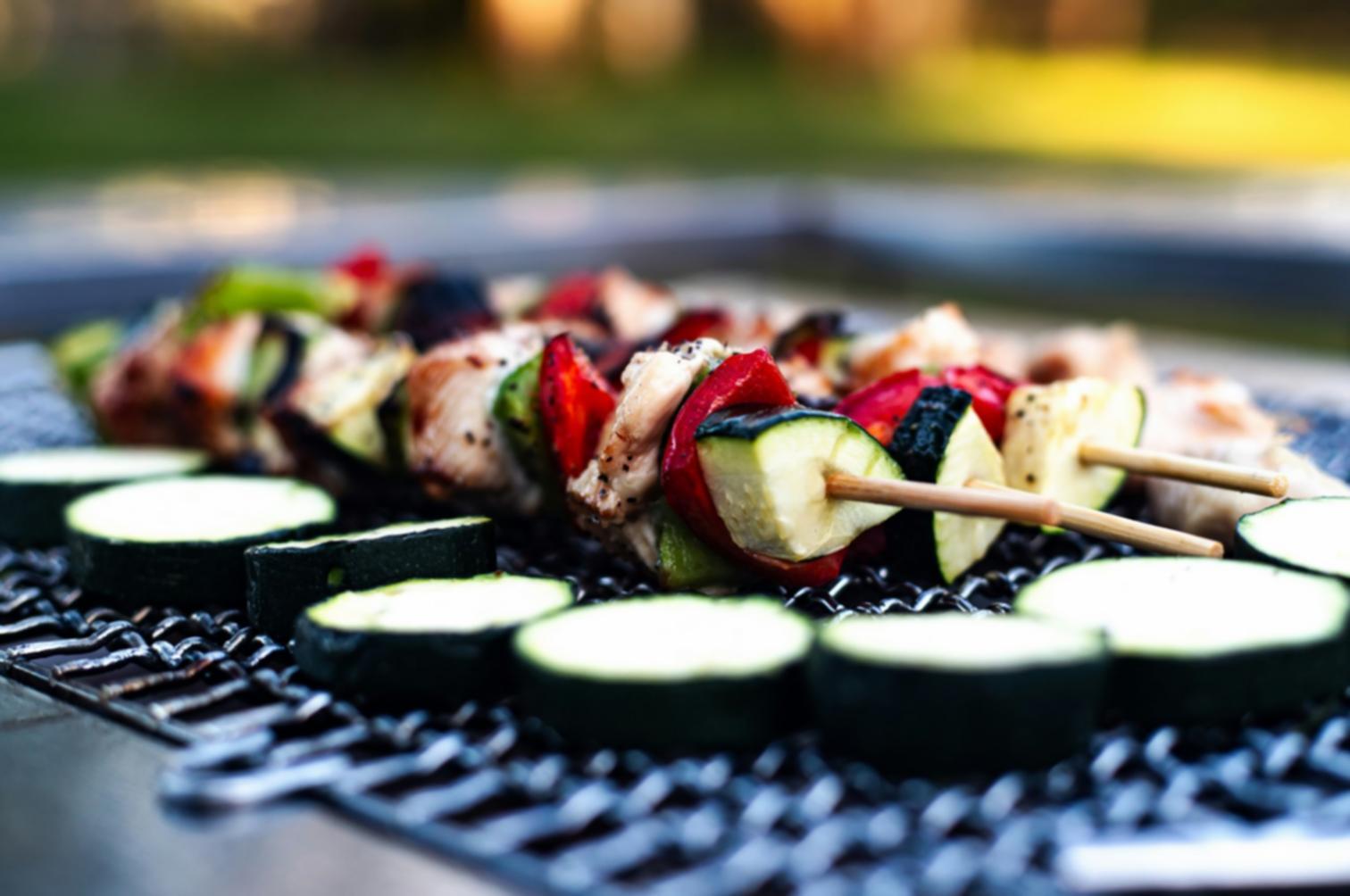
How you learn matters as much as what you learn
Everyone's schedule looks different. Some people need to watch a lesson at 6am before work. Others fit learning into lunch breaks or late evenings after the kitchen's cleaned up.
Your own pace
Pause videos mid-technique to try it yourself. Rewatch a tricky knife skill until it clicks. There's no pressure to keep up with a group—you move through content when you're ready.
Real kitchen practice
Each lesson includes specific tasks to complete in your own space. Prep a batch of grains. Test three container types. See what actually works with your equipment and routine.
Written guides
Every video comes with a downloadable reference document. Shopping lists, timing charts, storage notes. The kind of thing you can pull up on your phone while you're cooking.
Flexible progression
Start with basic batch cooking if you're new. Jump straight to advanced preservation methods if you've been prepping for years. The courses don't force a linear path.
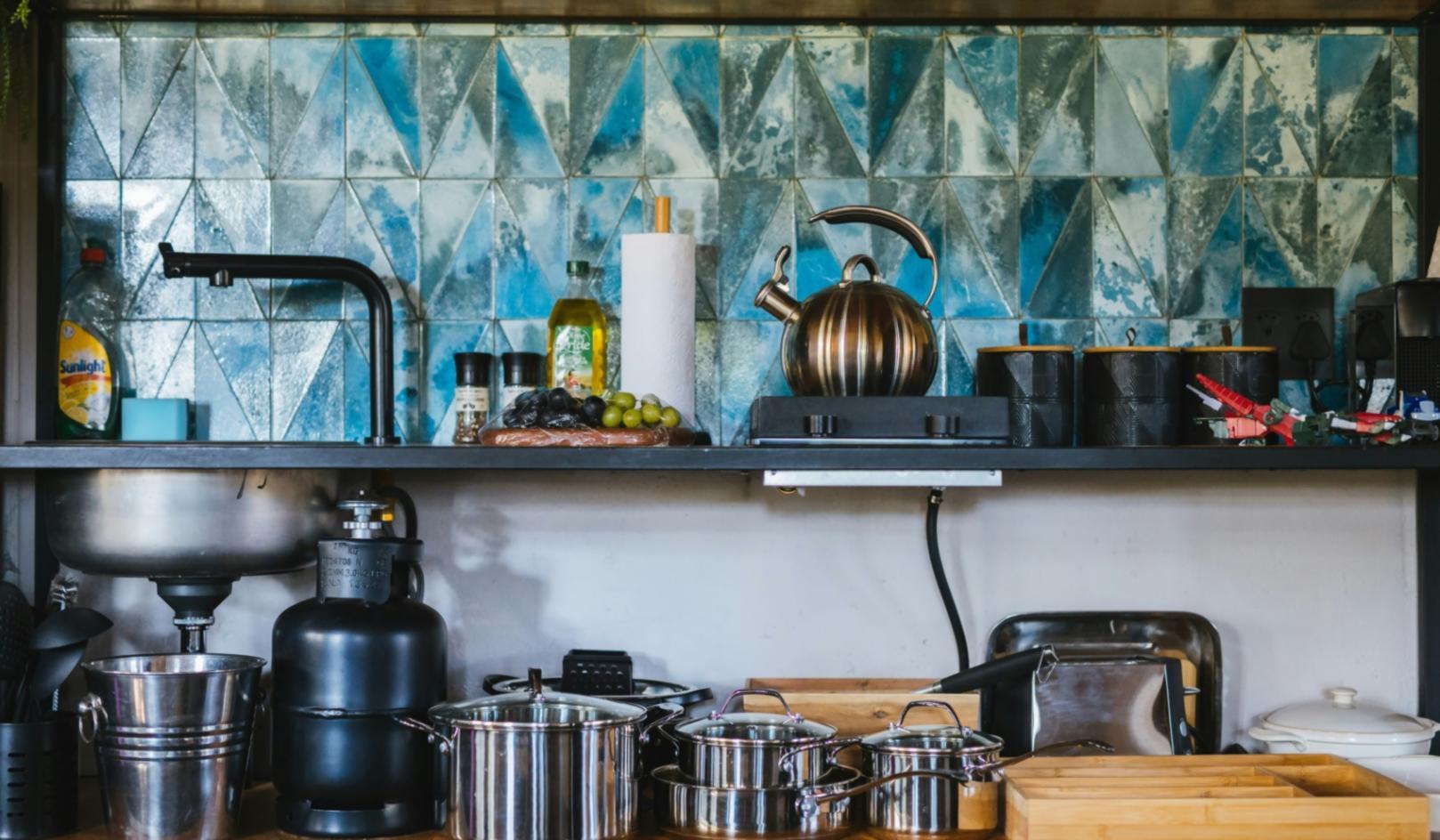
Learning happens in conversation
The best insights come from people actually doing this work. Our platform connects you with others figuring out the same challenges—how to prep with limited fridge space, what travels well to work, whether that marinade technique actually saves time.
Discussion forums
Post questions about your specific situation. Get responses from instructors and experienced students who've tested different approaches.
Weekly live sessions
Join optional video calls where instructors demonstrate techniques in real time and answer questions as they come up.
Recipe exchanges
Students share what they've adapted from lessons—substitutions that worked, timing adjustments, ways to scale recipes up or down.
Taught by people who've solved these problems
Our instructors aren't celebrity chefs. They're professionals who've spent years developing systems that work in normal kitchens with regular equipment.
Test kitchen experience
Most of our instructors have worked in recipe development—places where you make the same dish forty times to figure out what consistently works. That mindset shows up in how they teach.
Nutrition backgrounds
Several team members trained as dietitians before focusing on meal prep education. They understand macros, portion planning, and how to structure meals that stay satisfying across the week.
Home cooking reality
Everyone teaching here does their own meal prep. They know what it's like to fit this into a full schedule, deal with picky eaters, and make it work long-term.
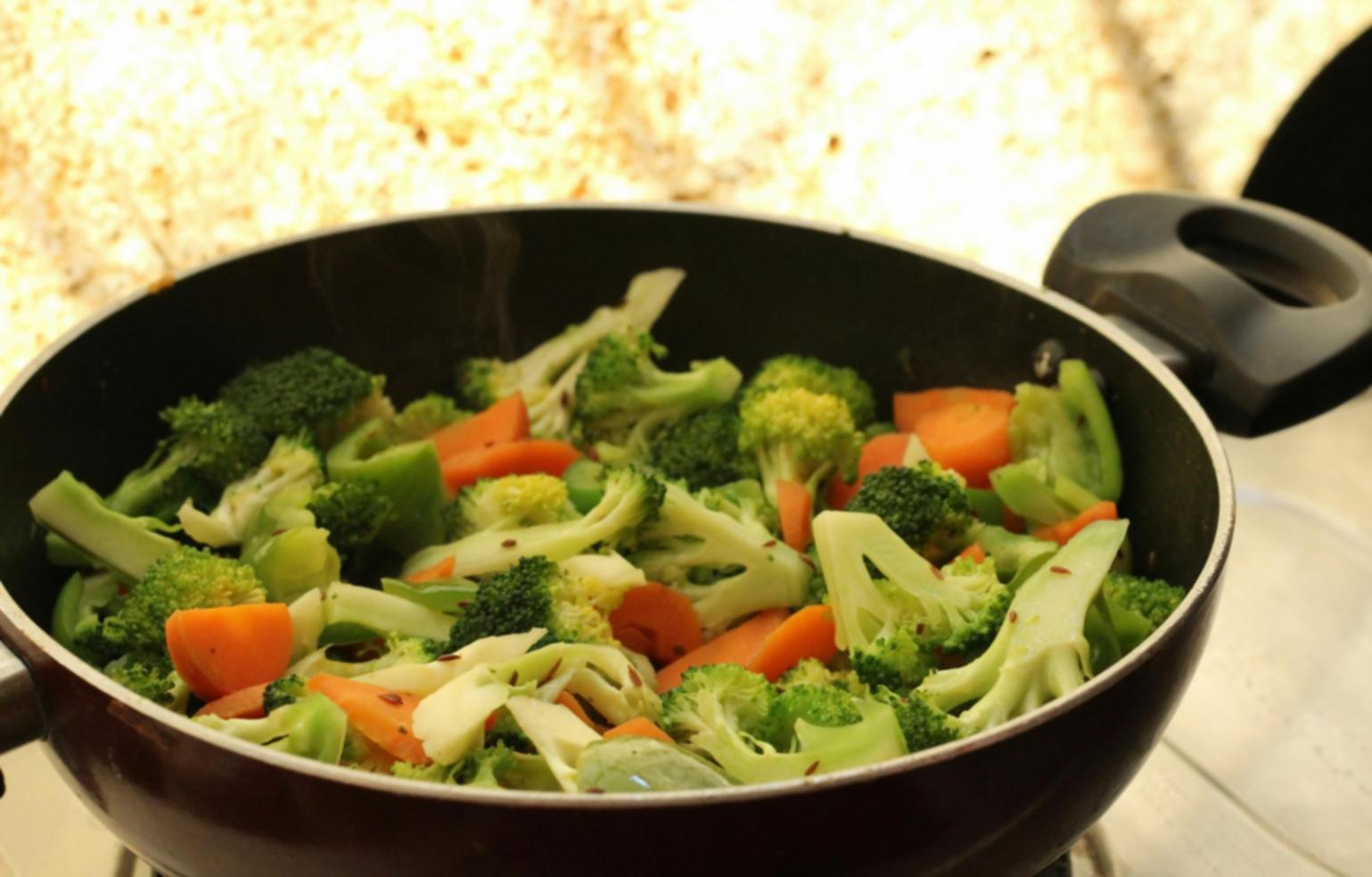
We track what actually helps people improve
Every course gets adjusted based on where students struggle, which techniques take longest to master, and what questions come up repeatedly.
Most students finish the essential techniques section within their first month
Students report spending less time on weeknight cooking after establishing prep routines
Photos and feedback from actual meal prep sessions help refine course content
Most students maintain the habit beyond initial enthusiasm phase
Learn from anywhere with kitchen access
The only requirement is internet and a place to cook. Students join from city apartments with minimal counter space, suburban homes with full setups, and everything in between.
Platform works on phones, tablets, and computers so you can watch lessons wherever makes sense—kitchen counter, dining table, or propped up while you cook
All content remains available after enrollment—no expiration dates pushing you to rush through material before access ends
Techniques adapt to different equipment levels—whether you're working with one pot or a full kitchen setup
Build this into your actual schedule
Meal prep only works if it fits your rhythm. Here's how most people structure their learning alongside actually doing the work.
Week 1-2: Foundations
Watch lessons on kitchen setup and basic batch cooking. Try one simple prep session—maybe just cooking a large batch of rice and roasting vegetables. See how the process feels.
Week 3-4: Planning systems
Learn menu planning that matches your preferences. Start creating shopping lists based on what you'll actually eat. Practice portioning meals into containers.
Week 5-8: Technique building
Work through protein prep methods, vegetable storage techniques, and flavor variations. Test different approaches until you find what fits your cooking style.
Ongoing: Refinement
Keep adjusting your system. Learn preservation methods, explore new ingredient combinations, develop your own rhythm. Most students find their sustainable pattern within three months.